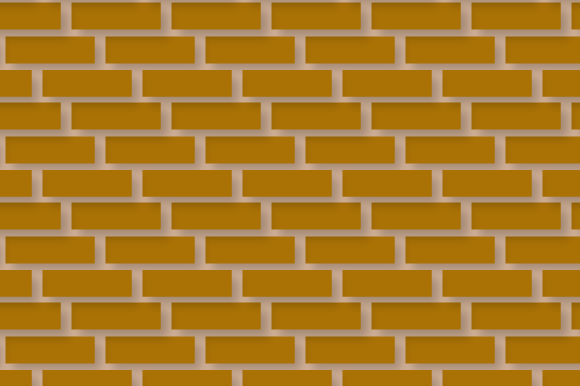
Unique Brick Pattern Design: EPS & PNG Downloads
A standard brick wall is functional, but visually, it often blends into the background. In design, that predictability can be a missed opportunity. Unique Brick Pattern Design transforms everyday masonry into a graphic statement. Instead of using a generic photo, you gain access to a crafted illustration—something that can be scaled, recolored, and repurposed across countless projects. Whether you receive it as a vector EPS file for unlimited editing or a ready-to-use PNG file with a transparent background, the creative potential expands dramatically. This article explores why these design resources matter to different audiences, how to match a pattern to your specific needs, and what to look for when choosing a download.
What Makes a Brick Pattern Stand Out?
Unique Brick Pattern Design goes beyond the classic running bond you see on a house. It includes intricate weaves like herringbone and basket weave, modern stacked layouts, diagonal slants, and decorative fan formations. The "uniqueness" also comes from color, texture, and scale. A pastel mortar wash combined with oversized illustrated bricks creates a completely different mood than a heavily textured, dark monotone pattern.
The real advantage of using EPS and PNG files is that you separate the design from a static photograph. A photo of a brick wall is tied to its lighting, angle, and condition. A designed pattern file, especially a seamless one, gives you a clean, repeatable tile that works perfectly for backgrounds, mockups, product wraps, and digital art. Understanding the difference between these file types is the first step toward using them effectively.
EPS: The Master Blueprint
EPS stands for Encapsulated PostScript. It is a vector file, which means it is built from mathematical paths rather than pixels. This makes it infinitely scalable. You can shrink it down for a social media icon or blow it up for a billboard without losing any clarity. For professionals and creators, the EPS file is invaluable because layers are often editable. You can change the color of the bricks, adjust the mortar width, or isolate a single brick for a custom layout. If your project demands flexibility and long-term reusability, the EPS format is your primary asset.
PNG: The Convenient Asset
PNG files are raster images (pixels) with a key feature: transparency. Unlike a JPEG, a PNG can be placed over any colored background without a white box around it. This makes it incredibly easy to use for people who do not work with professional design software. A blogger, small business owner, or hobbyist can drag a unique brick pattern PNG directly into Canva, PowerPoint, or a simple photo editor. While it doesn't offer the same editing power as an EPS, a high-resolution PNG saves time and removes technical barriers.
Why Different Audiences Value These Files Differently
A graphic designer and a hobbyist scrapbooker may both download a unique brick pattern, but their priorities are completely different. Recognizing these distinct needs helps you determine which design and file format are right for your project.
For Creatives and Brand Professionals
Priorities: Flexibility, quality, and commercial value.
If you are a marketer, brand manager, or graphic designer, your primary concern is maintaining a cohesive visual identity across all touchpoints. A unique brick pattern in EPS format becomes a core brand asset.
Practical example: A freelance designer is creating a brand identity for a boutique coffee roastery. The client wants an "urban rustic" feel. The designer selects a unique herringbone brick pattern EPS file. They open it in Illustrator, edit the brick colors to match the brand’s deep navy and copper palette, and adjust the mortar to a warm cream. This same vector file is then used for the logo background on the website, the pattern on the coffee bags, and the wallpaper in the café’s mockup. The commercial value lies in the pattern’s adaptability and the time saved by not designing the complex herringbone geometry from scratch.
For Small Business Owners and Entrepreneurs
Priorities: Speed, ease of use, and presentation.
Small business owners rarely have the time to learn complex vector software. They need results that look professional without a steep learning curve. A high-quality PNG file is often their best tool.
Practical example: An entrepreneur selling handmade candles uses a unique brick pattern PNG with a transparent background on their Etsy listing images. They place the pattern layer behind their product photos to give a sense of texture and homeyness. They can resize the PNG in seconds and apply it consistently across all their social media graphics. The pattern elevates their brand from "homemade" to "artisan" without requiring a professional photoshoot or physical brick wall.
For Educators and Students
Priorities: Learning value, clarity, and creativity.
Educators teaching design principles often use patterns to explain concepts like repetition, rhythm, texture, and scale. A unique brick pattern serves as an excellent case study.
Practical example: A high school graphic design teacher uses an EPS file of a stacked bond brick pattern to teach students about vectors. Students open the file, take it apart to see how the seamless tile was constructed, experiment with changing colors, and create their own variations. For students, having access to the original EPS file provides a clear "behind-the-scenes" look that a static PNG cannot offer. It transforms the pattern from a simple background into a learning tool.
For Hobbyists and DIY Enthusiasts
Priorities: Cost-effectiveness, accessibility, and personal expression.
Hobbyists, beginners, and consumers often look for affordable design assets that provide instant gratification. They want to make their projects look polished without investing in extensive training or software subscriptions.
Practical example: A digital scrapbooker is creating a page about a home renovation project. They use a unique brick pattern PNG as a subtle background for their photo layout. Because the PNG has a transparent background, they can easily fade the pattern using opacity settings in their scrapbooking app. This adds a thematic touch without cluttering the page. For a hobbyist, the ease of "drag, drop, and adjust" is the most important feature.
How to Choose the Right Unique Brick Pattern for Your Project
Not every pattern fits every task. Understanding how different factors impact your final result will save you time and frustration.
Scale and Proportion
Consider where the pattern will be seen. A large, bold brick scale works well for a website hero section or a poster background, where you want the texture to be noticeable. For business cards, social media profile pictures, or small product labels, a tightly packed, smaller-scale pattern looks cleaner and more refined. When you preview a download, pay attention to the dimensions. A seamless tile that repeats well at small sizes is highly versatile.
Color Palette and Customization
If you have an existing brand or color scheme, you have two options. You can choose a uniquely colored pattern that matches your palette, or you can invest in an EPS file and edit the colors yourself. The latter gives you the most control. Many unique brick patterns feature modern, non-traditional colors like monochrome greys, blush pinks, or deep forest greens. These can instantly update a design and make it feel contemporary.
Texture Versus Graphic Flatness
Some unique brick patterns aim for realistic texture with shading, highlights, and slight imperfections. Others are flat, graphic illustrations with clean lines and solid colors. Which one is better and depends on your project. A textured pattern adds depth and is great for print materials like brochures or packaging. A flat graphic pattern is excellent for digital interfaces because it loads quickly, stays crisp on retina screens, and does not interfere with text readability.
Evaluating Long-Term Usefulness
A design download is only valuable if it continues to serve you over time. A unique brick pattern that relies on a fleeting color trend might look dated in a year. However, a well-designed pattern based on a strong layout, like a classic herringbone or a geometric weave, can remain visually relevant for years.
When you download a set containing both EPS and PNG files, you future-proof your library. The EPS file sits in your archive as a master asset. Even if you don't use it today, you can come back to it next year, change the colors, and create a completely new look for a fresh campaign. The PNG file is your immediate solution for quick projects where you just need something to work right now.
Making the Final Decision
Is Unique Brick Pattern Design right for you? Ask yourself these questions:
- What is my skill level? If you are comfortable with Illustrator or Affinity Designer, prioritize EPS downloads for maximum flexibility. If you want simplicity, a high-quality PNG will likely cover 90% of your needs.
- What is the primary output? For professional print (packaging, books, flyers), EPS is the safest choice. For digital use (websites, social media, presentations), PNG is perfectly suitable.
- How important is speed? If you need to finish a project by the end of the day, a ready-to-use PNG file is your best friend. If you have time to refine a design, the EPS file gives you creative freedom.
- Am I looking for inspiration or a finished product? Sometimes, a unique brick pattern is a starting point. Designers often use patterns as a base for overlays, textures, or abstract compositions. Other times, the pattern is the finishing touch.
The beauty of modern design downloads is that you no longer have to choose between professional quality and ease of use. A well-prepared Unique Brick Pattern Design, offered in EPS and PNG formats, bridges that gap. It empowers the professional with powerful vectors and welcomes the beginner with accessible raster files. No matter your background, the right pattern can transform a blank canvas into a space full of character and intention.