Symmetrical Precision: How the Mandala of Abstract Polar Vector Set 16 Redefines Modern Monochrome Design
In an era where visual noise competes for attention at every turn, a quiet revolution is unfolding in the world of design. Creatives, entrepreneurs, and wellness practitioners alike are rediscovering the power of structured symmetry—specifically through the Mandala of Abstract Polar Vector Set 16. This vector-based design system, built on precise polar coordinates and radial symmetry, offers a fresh monochrome vocabulary that is both ancient in spirit and deeply contemporary in execution. Far more than a decorative pattern, this approach is reshaping how professionals approach everything from textile production to digital illustration, wallpaper creation, and even mindfulness-focused environments.
The appeal lies in its marriage of mathematical rigor and organic beauty. Unlike freeform abstract art, the Mandala of abstract polar vector constructs each petal, line, and curve using angular repetition and radial balance. The result is a symmetrical flower motif—black on white—that feels simultaneously ornate and minimal. For designers and marketers looking to cut through the visual clutter, this style delivers impact without chaos. But to understand its rising significance, we must look beyond the aesthetic and into the broader shifts in consumer behavior, production workflows, and cultural preferences for clarity and intention.
The Architecture of the Mandala of Abstract Polar Vector Set 16
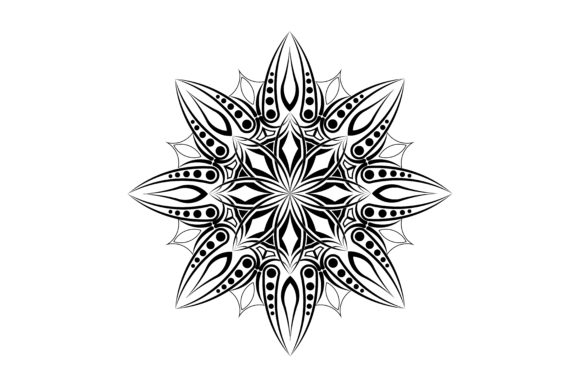
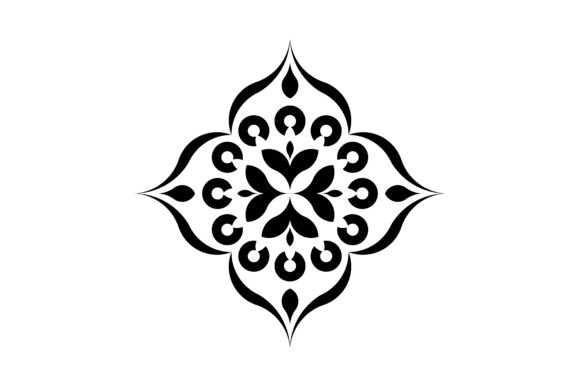
At its core, the Mandala of Abstract Polar Vector Set 16 is a collection of sixteen distinct polar vector arrangements, each generating a unique radial pattern. The "polar" aspect refers to the use of angles and radii to plot points, while "vector" ensures that every element is mathematically scalable and resolution-independent. This set is not a single image but a system—a toolkit for constructing intricate, balanced flower-like forms that maintain perfect symmetry across all axes.
What sets this set apart from generic mandala templates is its intentional use of negative space and contrast. Each motif is designed for a black-on-white monochrome palette, emphasizing line weight, curvature, and the interplay between filled and empty areas. The sixteen variations allow users to layer, combine, or isolate patterns without losing consistency. Whether used as a standalone focal point or repeated across a surface, the Mandala of Abstract Polar Vector Set 16 provides a foundation that is both versatile and unmistakably cohesive.
For creators who work in print, textile, or digital media, this means reduced production friction. A single vector file can be resized for a wallpaper background, adapted for fabric wrapping, or simplified for embroidery without manual redrawing. The symmetry guarantees that the design remains balanced at any scale—a critical advantage when precision matters.
Why the Market Is Turning to Polar Vector Symmetry
The broader creative industry is experiencing a notable shift toward structured ornamentation. After years of maximalist clutter and chaotic abstraction, a counter-movement is emerging that values order, repetition, and clarity. This is not a return to rigid minimalism, but rather an embrace of complexity that is still legible. The Mandala of abstract polar vector fits perfectly into this sweet spot: it is intricate enough to reward close inspection, yet systematic enough to function as a reliable design element across multiple applications.
Entrepreneurs in the home decor and lifestyle sectors are particularly drawn to this style. Consumers increasingly seek products that support focus, calm, and intentionality—qualities that symmetrical monochrome patterns naturally evoke. A wallpaper or backdrop featuring a polar vector mandala does not merely decorate a space; it structures it. The visual rhythm anchors the eye, making it easier to concentrate in a home office or relax in a yoga studio. For brands positioned around wellness, productivity, or mindfulness, this design language communicates values without a single word.
Freelancers and small studios also benefit from the efficiency of vector-based design. Unlike raster images that degrade under enlargement or require complex masking, a Mandala of Abstract Polar Vector Set 16 file can be exported to any medium—from a business card to a full wall mural—with zero quality loss. This scalability reduces turnaround time and eliminates the need for multiple file versions. In a market where speed and consistency are competitive advantages, that matters.
Changing Workflows in Textile and Surface Design
The textile and surface pattern industries have long relied on repeat motifs, but traditional methods often involve clunky pattern-making software or manual drawing that is difficult to modify. The Mandala of Abstract Polar Vector Set 16 introduces a more fluid workflow. Because each vector element is mathematically defined, designers can adjust rotation, scale, and spacing in real time. A cloth pattern intended for wrapping or embroidery can be tested in multiple configurations before committing to production.
Consider a practical example: an embroidery specialist working on a series of yoga mat bags. Using the set, they can select a symmetrical flower motif, adjust the line thickness for thread count, and export a clean black-on-white guide for stitching. The same motif, scaled up, becomes a fabric print for the bag’s interior lining. No redrawing, no guesswork—just seamless adaptation. This kind of flexibility is redefining what freelancers and small-batch producers can offer to niche markets.
Similarly, wallpaper and backdrop creators are finding that the monochrome polarity of these designs eliminates color-matching challenges. A black-on-white Mandala of abstract polar vector wallpaper works equally well in a modern loft, a minimalist bedroom, or a corporate meditation room. The absence of color variation means fewer production runs, less inventory risk, and a broader customer base. For entrepreneurs scaling their product lines, this is a practical advantage that directly impacts the bottom line.
The Role of Monochrome in Modern Aesthetics and Focus
Monochrome design has never been merely about the absence of color. It is a deliberate choice that amplifies form, texture, and line. In the context of the Mandala of Abstract Polar Vector Set 16, the black-on-white contrast heightens the perception of symmetry and depth. Each petal and curve becomes more pronounced, creating a visual experience that is both striking and restful. This duality is why monochrome patterns are increasingly favored in spaces dedicated to focus—yoga studios, reading nooks, writing rooms, and even digital interfaces for meditation apps.
The psychological impact is well-documented. Symmetrical patterns reduce cognitive load by providing predictable visual structure. When the eye can easily track a repeating radial design, the brain enters a state of relaxed alertness. For professionals who spend hours in front of screens or in high-stakes creative work, environments that incorporate such patterns can support sustained concentration. The Mandala of abstract polar vector thus becomes more than a decoration—it is a functional tool for productivity and well-being.
Wellness and lifestyle brands have taken note. Yoga studios are integrating these motifs into wall backdrops, mat designs, and even wrapping cloth for props. The monochrome palette ensures the pattern does not compete with natural light or other sensory elements. Instead, it grounds the space. Similarly, focus-oriented consumer products—journals, desk accessories, screen backgrounds—are adopting the aesthetic to signal intentionality. The message is subtle but powerful: this object or space is designed for clarity.
Broader Trends in Consumer Preferences and Production
The rise of the Mandala of Abstract Polar Vector Set 16 is not happening in isolation. It aligns with several larger developments across business, technology, and lifestyle. First, there is the continued growth of the slow living and intentional consumption movements. Consumers are rejecting mass-produced noise in favor of objects and environments that feel considered. A symmetrical black-and-white mandala communicates that thought has been invested in every line. It feels handcrafted even when produced digitally.
Second, the maker economy and print-on-demand model have lowered the barrier for small-scale production. A freelancer or entrepreneur can now upload a vector-based Mandala of Abstract Polar Vector Set 16 design to a print service and offer custom wallpaper, wrapping paper, or fabric within days. The zero-format-loss nature of vectors ensures consistent quality across substrates—from matte paper to organic cotton. This democratization of high-end surface design is reshaping the competitive landscape.
Third, the technology sector's emphasis on dark mode and high-contrast interfaces has trained users to appreciate monochrome palettes. The visual language of polar vector symmetry feels familiar to anyone who uses modern apps or minimalist websites. This cultural familiarity means that adopting the style for physical products requires less explanation—consumers intuitively understand its value.
Finally, the wellness industry's expansion into digital tools has created demand for patterns that translate seamlessly between screen and print. A meditation app might use a polar vector mandala as a focus point during breathing exercises, while the same design appears on the brand's yoga mats and apparel. This cross-medium consistency strengthens brand identity and reduces production fragmentation.
Practical Applications Across Industries
The versatility of the Mandala of Abstract Polar Vector Set 16 opens doors across multiple sectors. Here are several concrete ways professionals are integrating these designs into their work:
- Textile designers use the set to create repeat patterns for cloth, wrapping, and embroidery. The black-on-white palette works beautifully on natural fabrics like linen and cotton, and the vector format allows adjustments for thread count and weave density.
- Interior decorators and wallpaper creators apply the motifs as large-scale backdrops or accent walls. The symmetry makes installation easier—matching seams and aligning repeats is straightforward because the pattern is mathematically consistent.
- Yoga and wellness studios incorporate the designs into floor mats, wall murals, and even ceiling patterns for supine poses. The monochrome aesthetic maintains a serene atmosphere while providing a visual anchor for focus.
- Graphic designers and illustrators use individual elements from the set as standalone art pieces, logos, or brand motifs. The vector format ensures crisp rendering on both digital screens and printed collateral.
- Product packaging and wrapping professionals leverage the symmetrical flower patterns for premium unboxing experiences. The black-on-white design photographs well for social media, supporting organic marketing efforts.
Each of these applications demonstrates a broader principle: the Mandala of abstract polar vector is not a trend to be followed, but a tool to be wielded. Its value lies in its adaptability to existing workflows and its ability to communicate a consistent visual language across touchpoints.
Observations on Quality and Longevity in Design
One of the most compelling aspects of the Mandala of Abstract Polar Vector Set 16 is its longevity. Because it avoids trendy color palettes and relies on fundamental geometric relationships, it does not age quickly. A wallpaper or textile designed with this set today will still feel contemporary in five or ten years. This durability is increasingly important for businesses and consumers who are tired of disposable aesthetics and frequent redecorating.
Professionals who invest in this design language are essentially future-proofing their visual identity. The same pattern can be refreshed by adjusting scale, rotation, or density without changing its essential character. This makes it ideal for brands that want to evolve without losing recognition, or for product lines that need to remain relevant across multiple seasons.
Moreover, the monochrome polarity reduces environmental impact in production. Printing black ink on white substrates uses fewer resources than full-color processes, and the absence of color variation simplifies recycling and material recovery. For eco-conscious entrepreneurs, this is a meaningful advantage that aligns with consumer expectations around sustainability.
Connecting to Larger Creative and Cultural Shifts
The attention currently directed at the Mandala of Abstract Polar Vector Set 16 reflects a broader cultural desire for order within complexity. As digital tools enable ever more intricate designs, the challenge becomes not what we can create, but what we can meaningfully perceive. Symmetrical polar vectors offer a solution: they provide endless variation within a predictable structure, satisfying both the appetite for novelty and the need for grounding.
In the business world, this translates to a preference for design systems that are repeatable and scalable. Entrepreneurs and marketers are increasingly aware that visual consistency builds trust. A brand that uses a recognizable mandala motif across its packaging, website, and physical spaces signals reliability. The Mandala of abstract polar vector facilitates this consistency by offering a unified toolkit that can be deployed anywhere.
Culturally, the rise of monochrome symmetry also mirrors a broader interest in digital minimalism and slow media. People are curating their environments—both physical and digital—to reduce distraction. A black-on-white mandala wallpaper on a laptop background or a yoga studio wall is a declaration of focus. It says, "This space is for something important."
Conclusion: A Design Foundation for the Modern Creator
The Mandala of Abstract Polar Vector Set 16 and the Mandala of abstract polar vector represent more than a stylistic choice. They are a response to genuine shifts in how we work, create, and live. For professionals in design, wellness, textiles, and entrepreneurship, these vector systems offer a rare combination of aesthetic depth, technical efficiency, and cultural relevance. They meet the moment's demand for clarity without sacrificing beauty, for structure without rigidity, and for versatility without complexity.
Whether you are designing a wallpaper backdrop for a meditation app, a wrapping cloth for a sustainable brand, or an embroidery pattern for a yoga accessory line, this approach provides a reliable foundation. It respects the history of mandala art while fully embracing the precision of modern vector technology. In a world hungry for meaning and coherence, the symmetrical flower—black on white—stands as a symbol of balance, intention, and enduring style.